

People help people.
ResQNet helps nearby phones communicate when ordinary networks cannot.
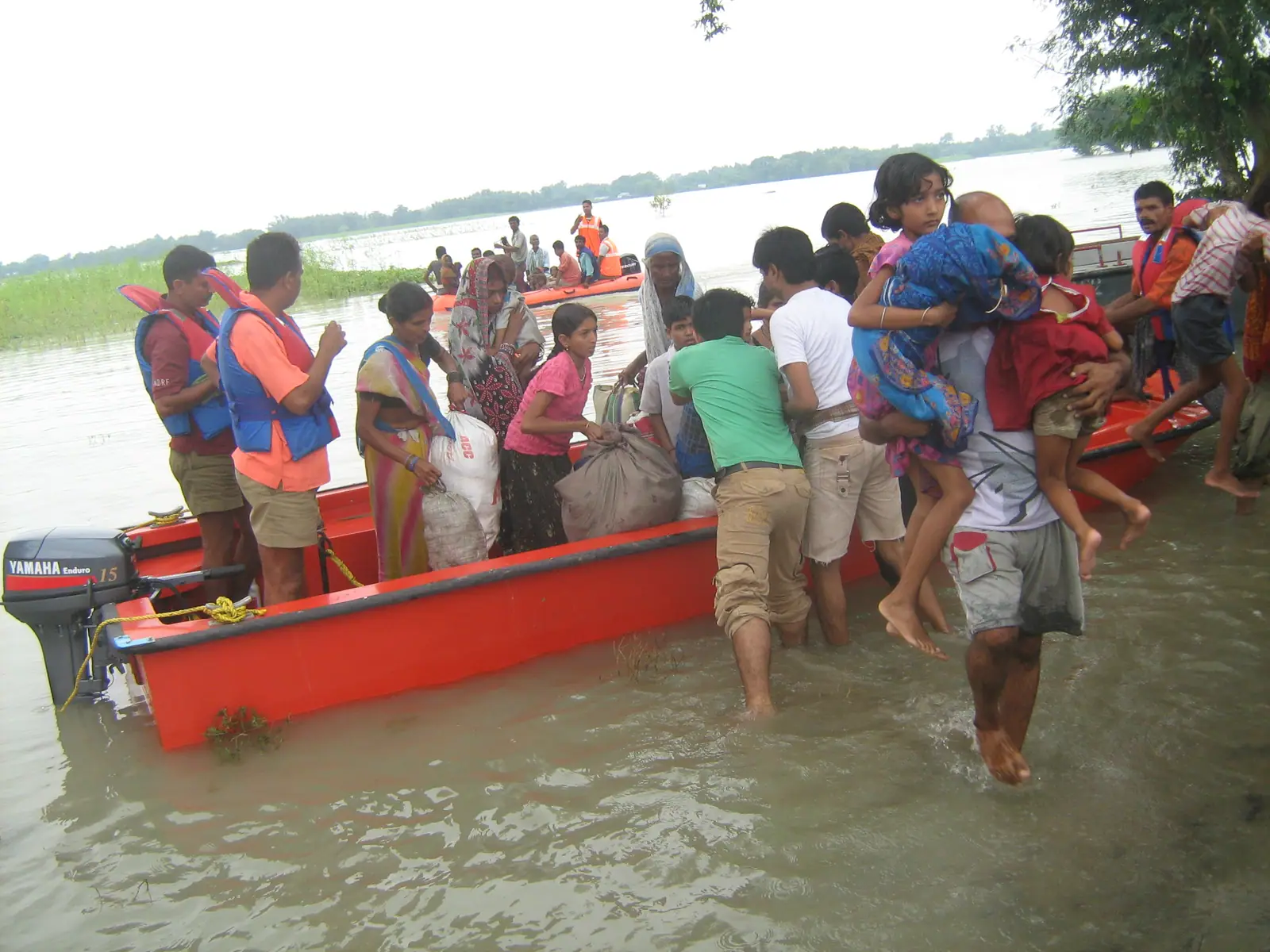
Kosi floods, Bihar, India, August 2008. Photo: Kumarrakajee, CC BY-SA 3.0.
Emergency communication that keeps working nearby.
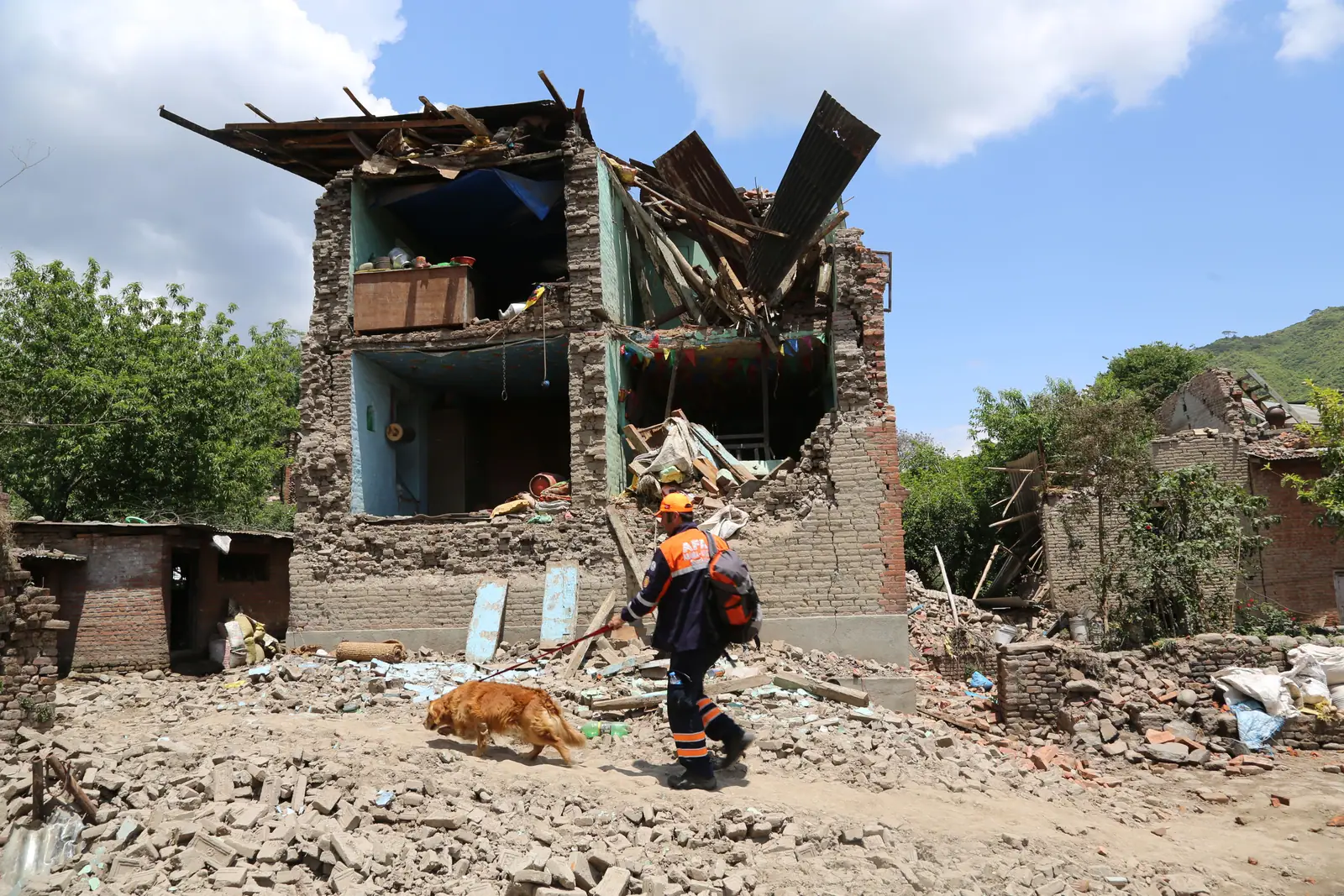
Nepal, April 2015 earthquake. Photo: Hilmi Hacaloğlu / VOA, public domain.
Floods. Earthquakes. Landslides. Remote terrain.
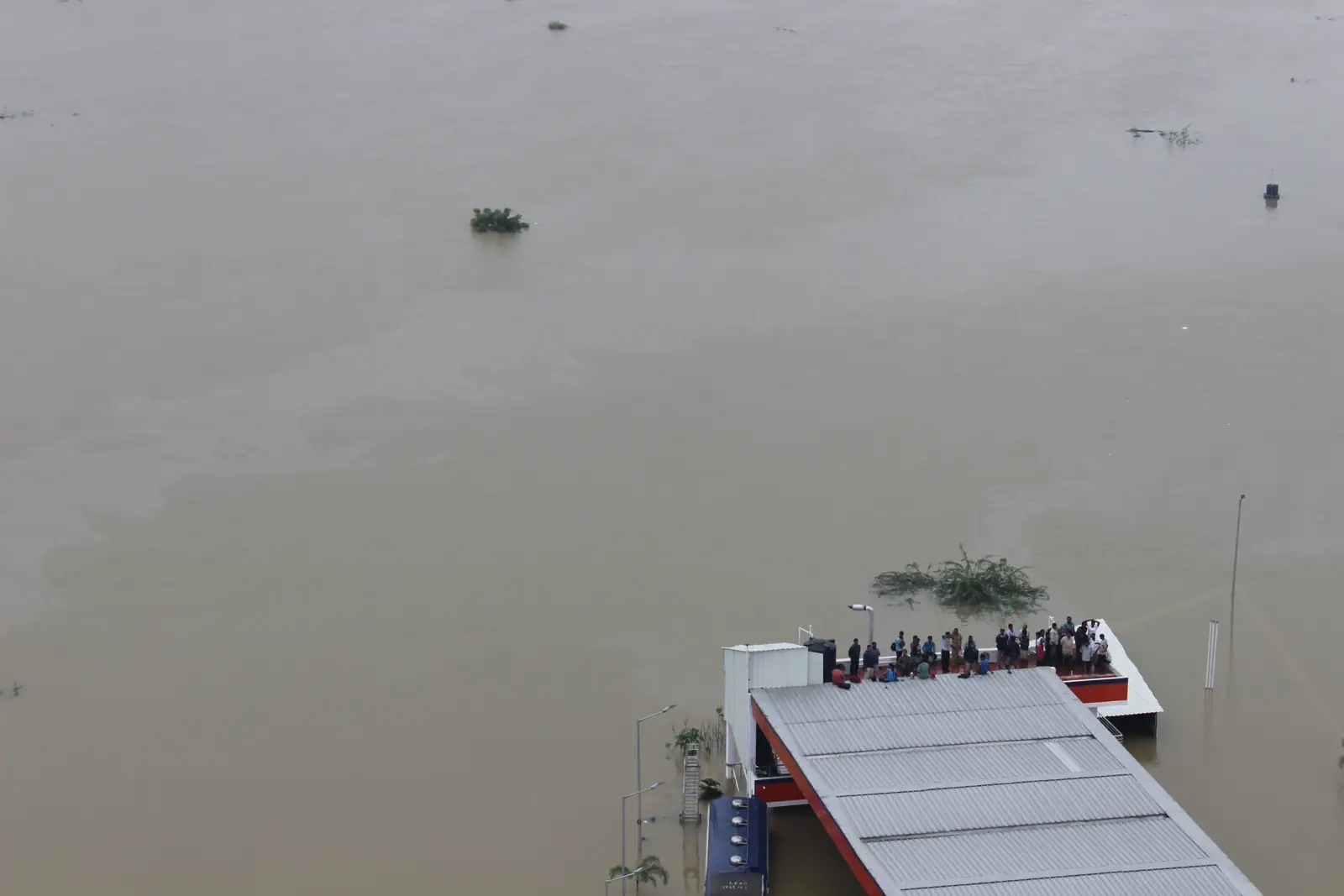
Chennai, India, December 2015 floods. Photo: Indian Air Force, GODL-India.
ResQNet helps nearby phones communicate when ordinary networks cannot.
Kosi floods, Bihar, India, August 2008. Photo: Kumarrakajee, CC BY-SA 3.0.
Phones pass the message along until one of them can reach help.
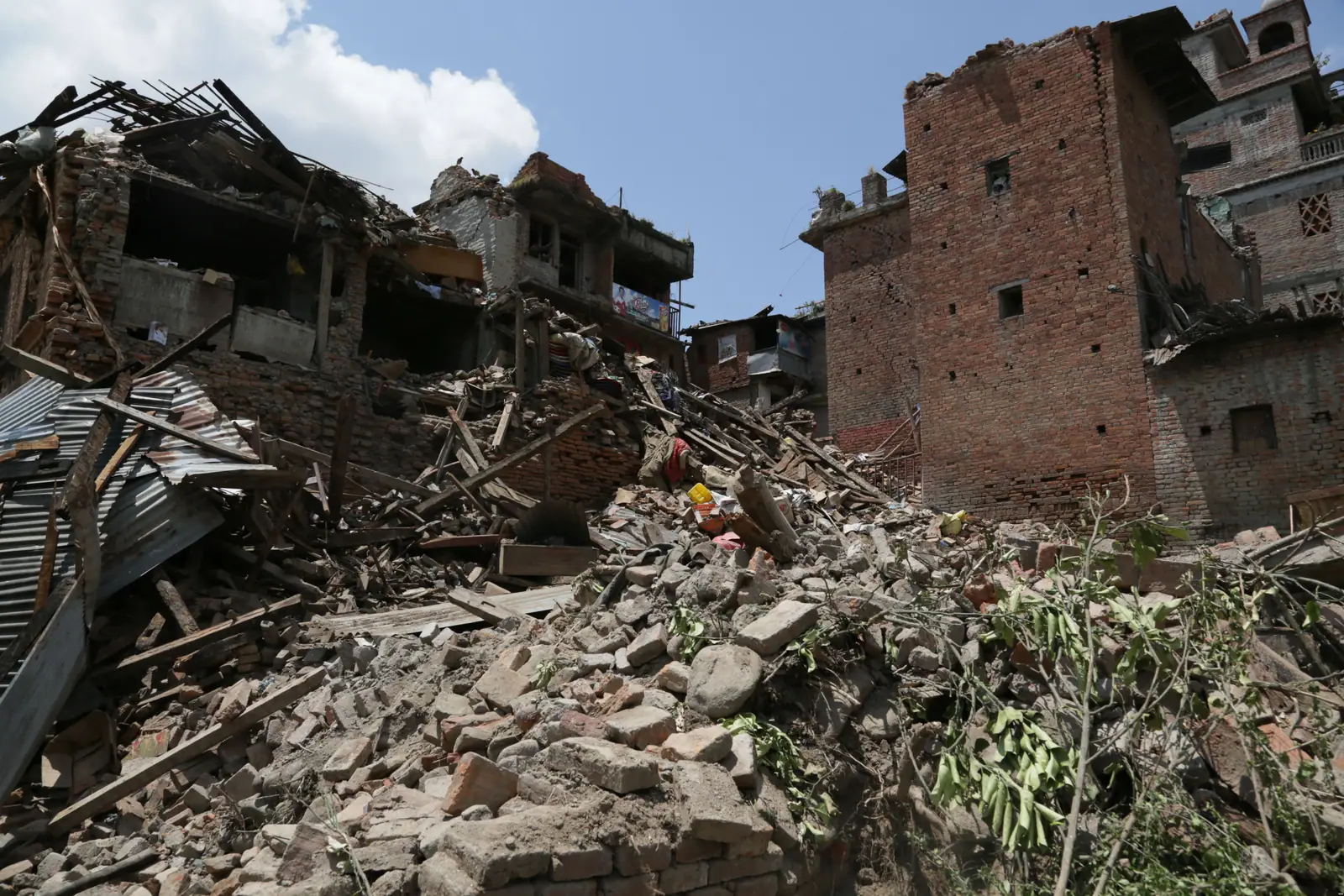
How it worksNepal, April 2015 earthquake. Photo: Hilmi Hacaloğlu / VOA, public domain.
Screens from a running build, not mockups.
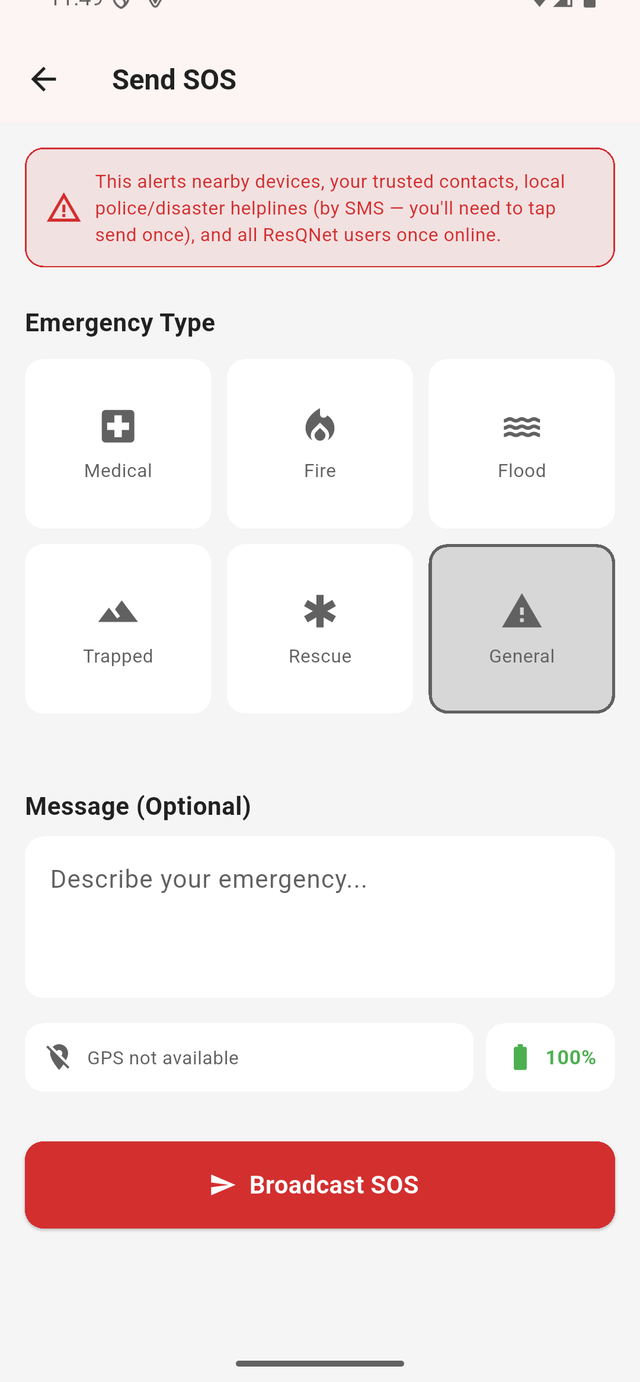
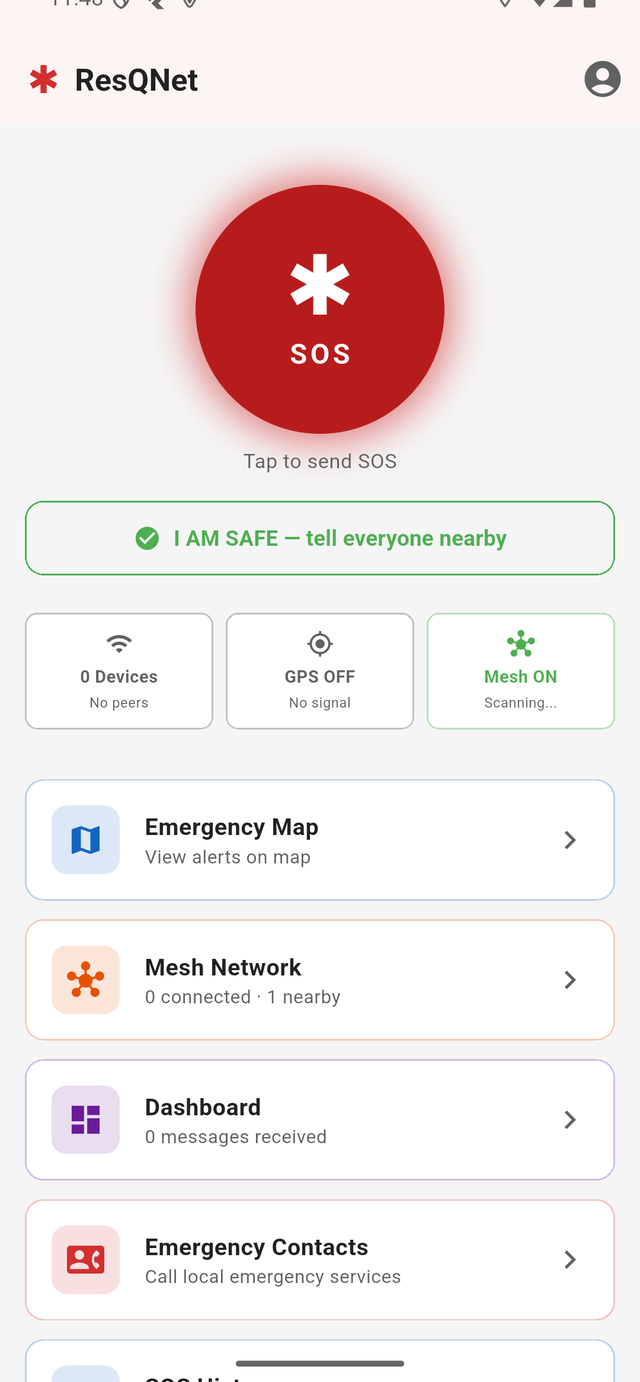
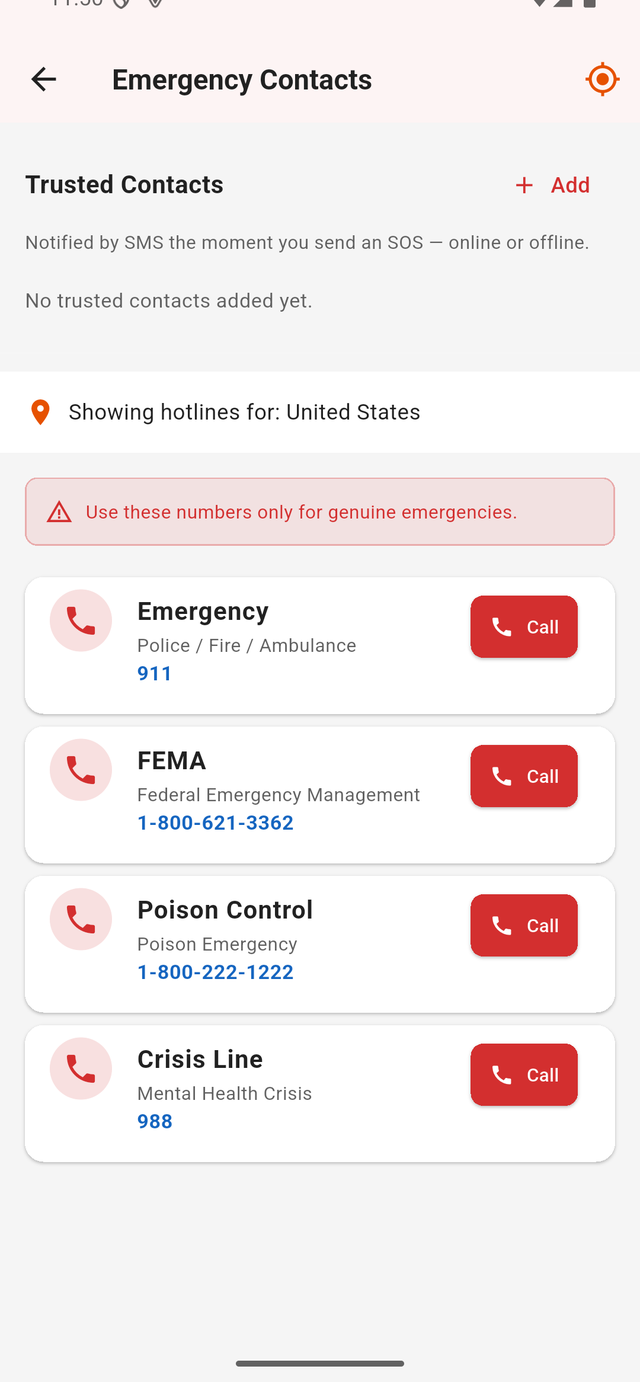
ResQNet gives authorized responders a clearer picture of active incidents.
Built and tested. Not yet deployed.
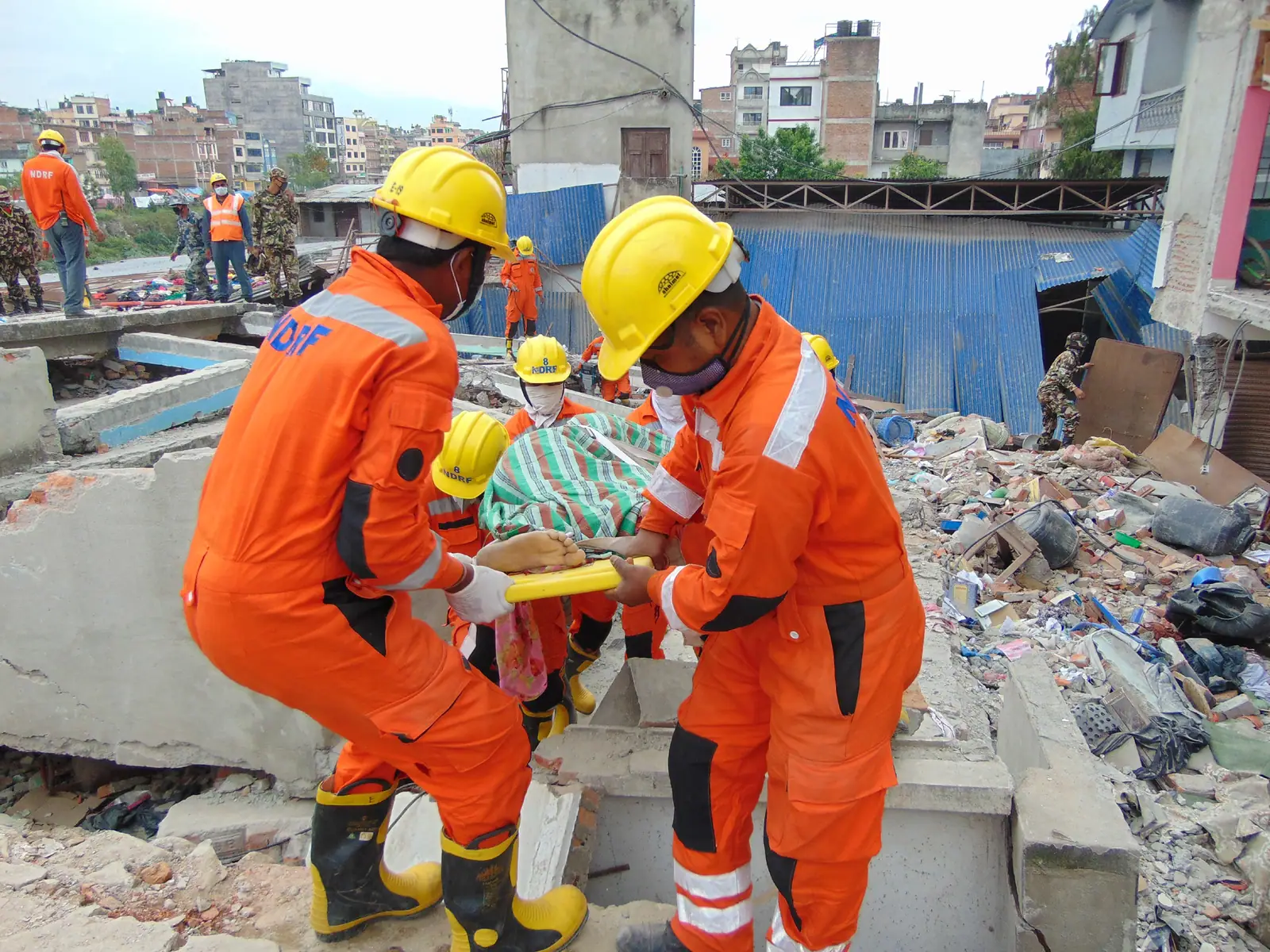
Responder operationsNepal, 2015 earthquake. Photo: Ministry of Home Affairs, Government of India (PIB), GODL-India.
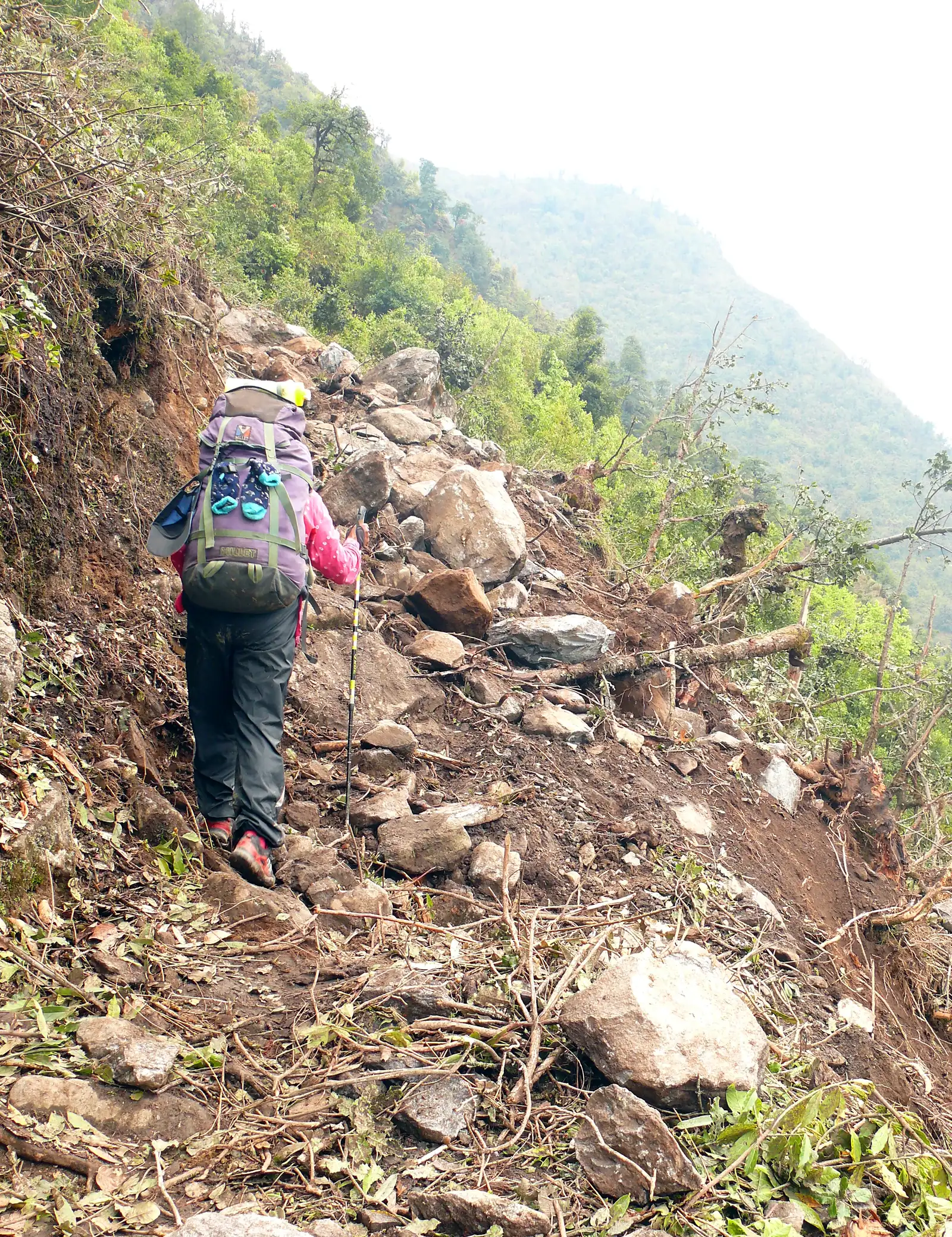
Trail between Surke and Paiya, Nepal, 26 April 2015. Photo: Goutam1962, CC BY-SA 4.0.
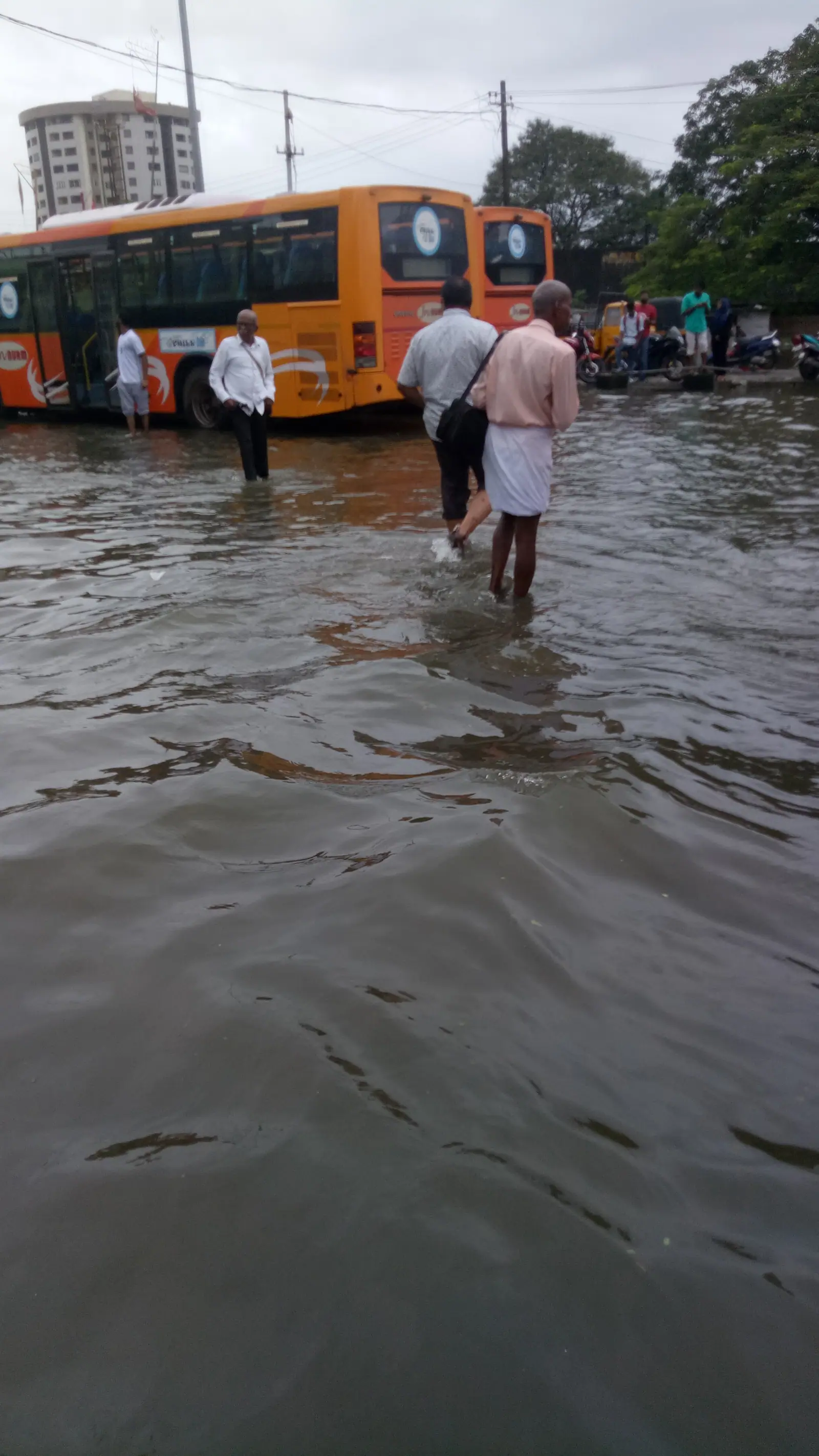
Ernakulam, Kerala, India, August 2018 floods. Photo: Ranjithkssp, CC BY-SA 3.0.
ResQNet is in active development and has not yet been field-tested across many phones. It does not replace official emergency services and cannot guarantee that a message gets through. SOS messages on the mesh are signed but not encrypted. Safety & privacy
The photographs show real disasters and responses in Nepal and India. The people pictured are not ResQNet users, and ResQNet was not involved in these events.
Android release coming soon. Not yet on Google Play or the App Store. Release status
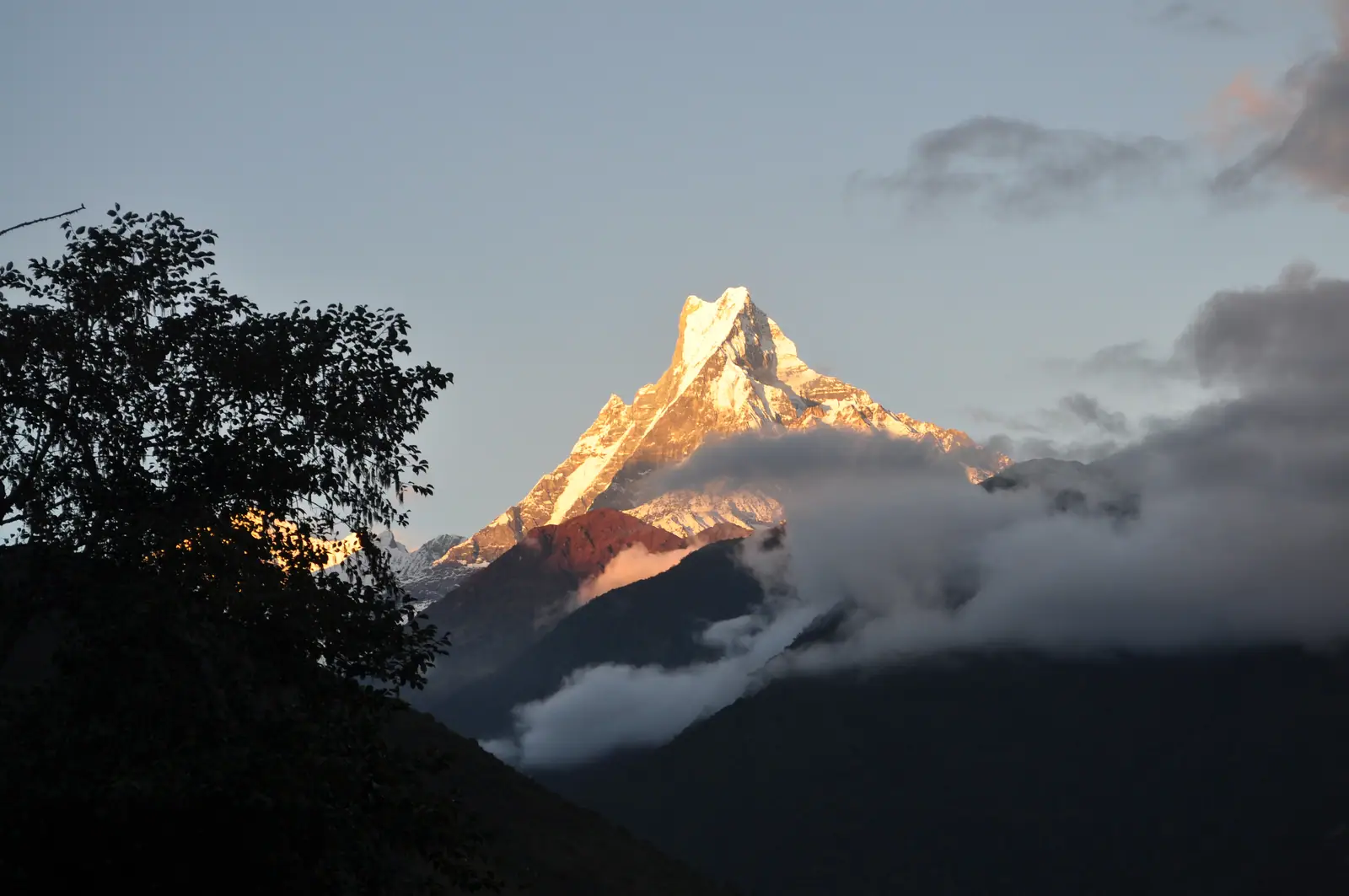
Machhapuchhre from Ghandruk, Nepal. Photo: Nischal Tiwari, CC BY-SA 3.0.


